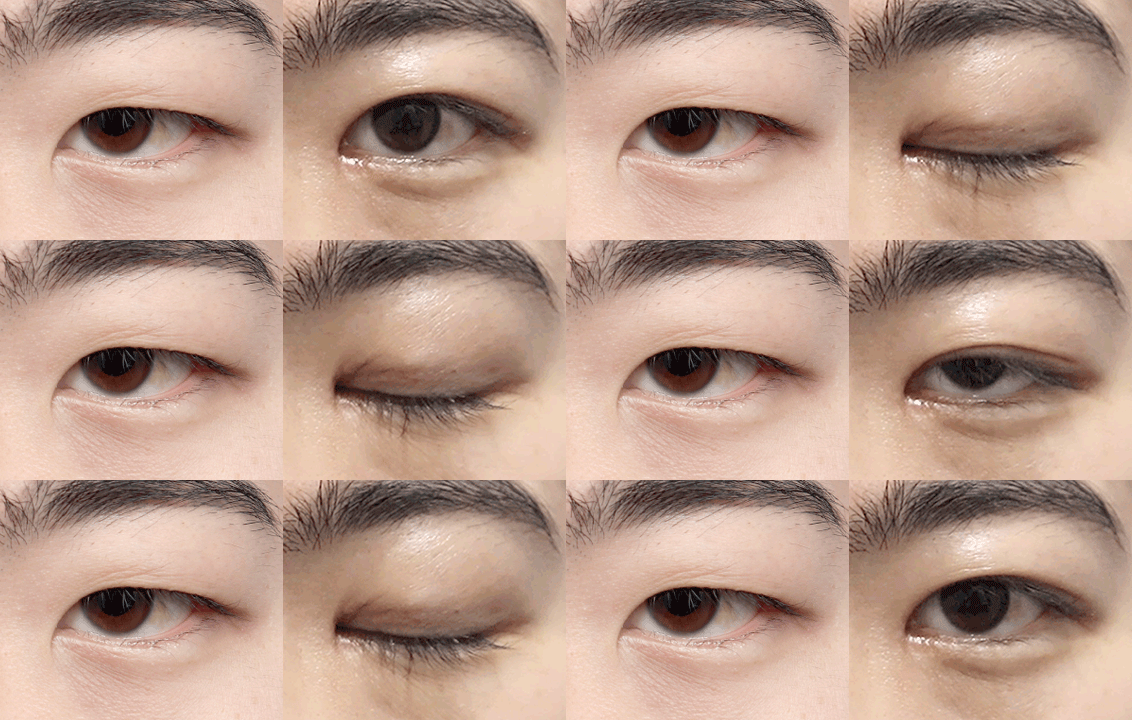
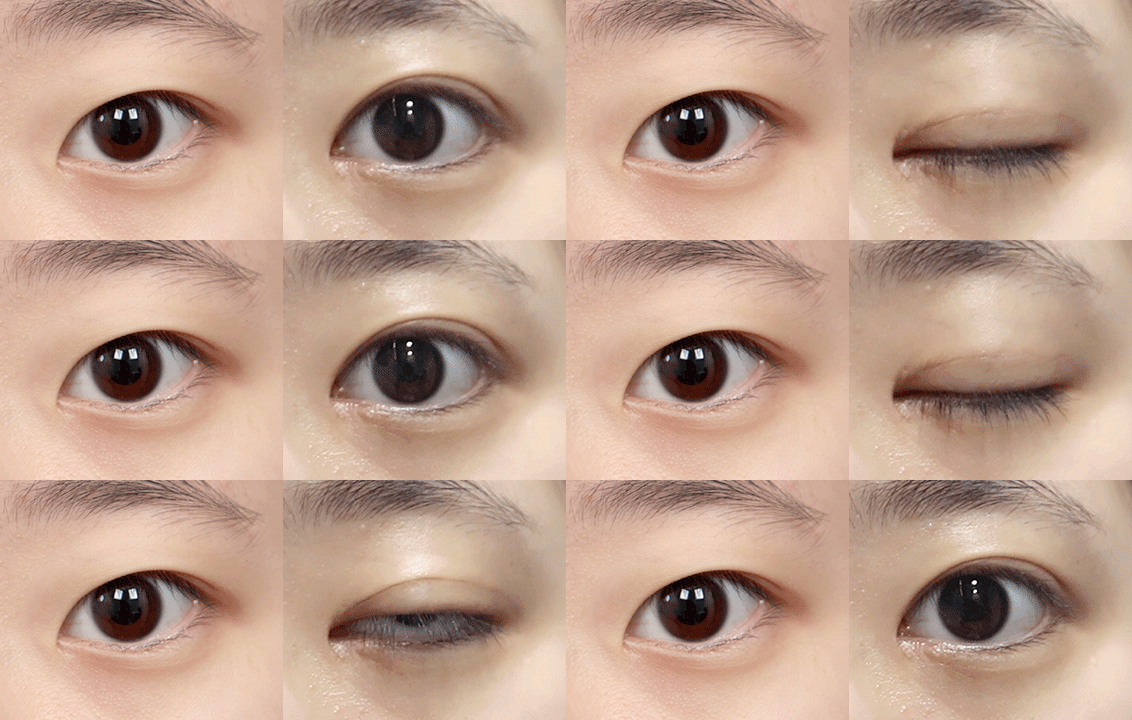
SISUN PREMIUM EYE SURGERY

Natural Adhesion
Non-incisional Double Eyelid

Minimal visible scarring, no stitch removal, and a quick recovery. A subtle crease designed for a natural-looking result.

  • Surgery Duration
    20 min
  • Anesthesia
    IV Sedation / Local
  • Stitch Removal
    None
  • Hospitalization
    Same-day Discharge
  • Recovery Period
    5~7 days

*Individual results may vary. Side effects such as bleeding, infection, and inflammation may occur after cosmetic surgery. Please consult your doctor.

What is
Natural Adhesion Non-incisional Double Eyelid?

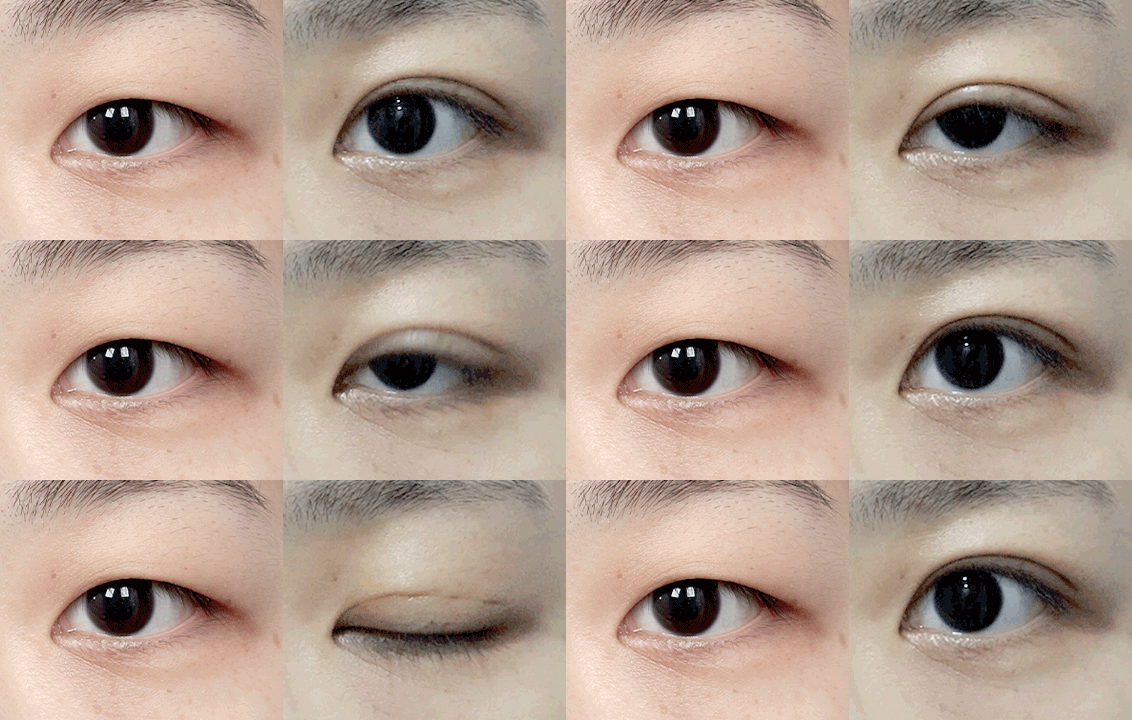
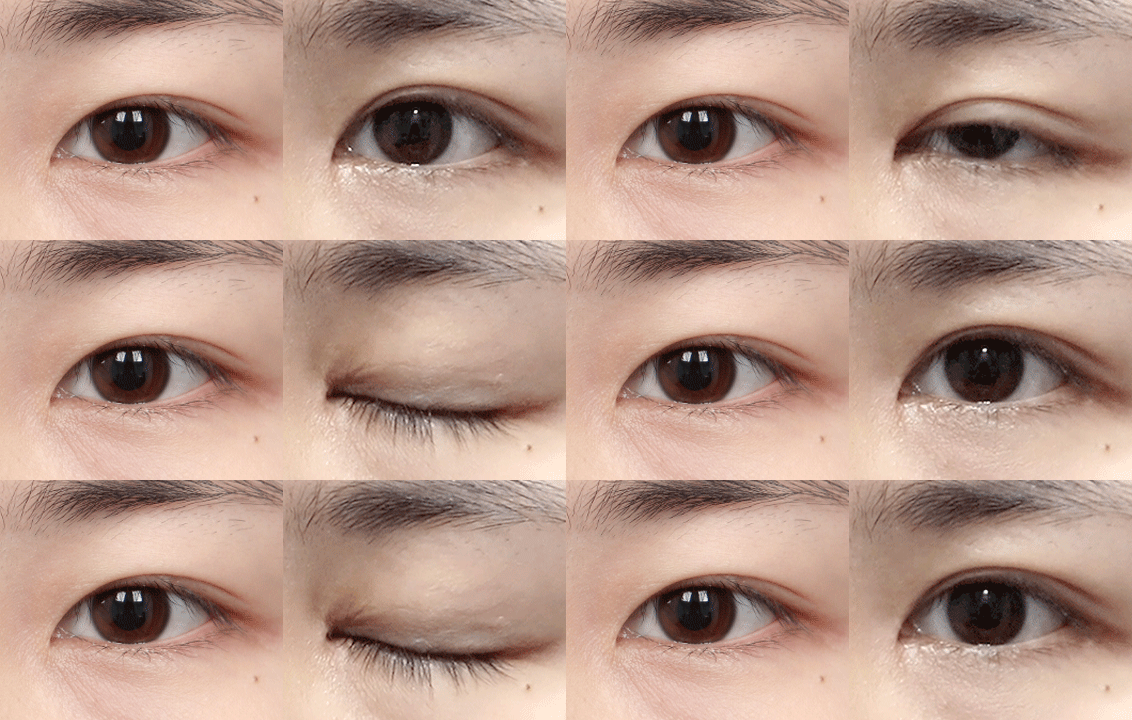
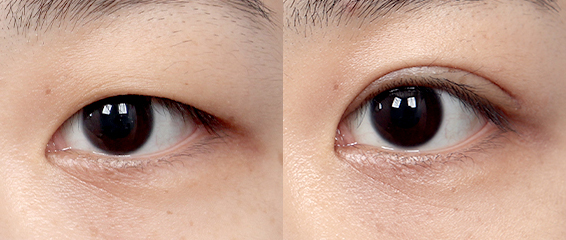
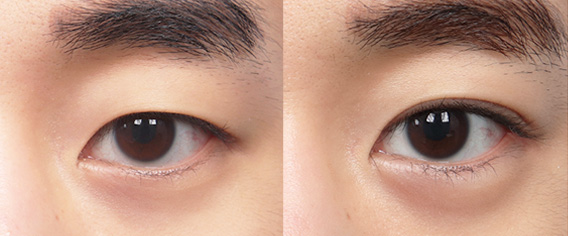
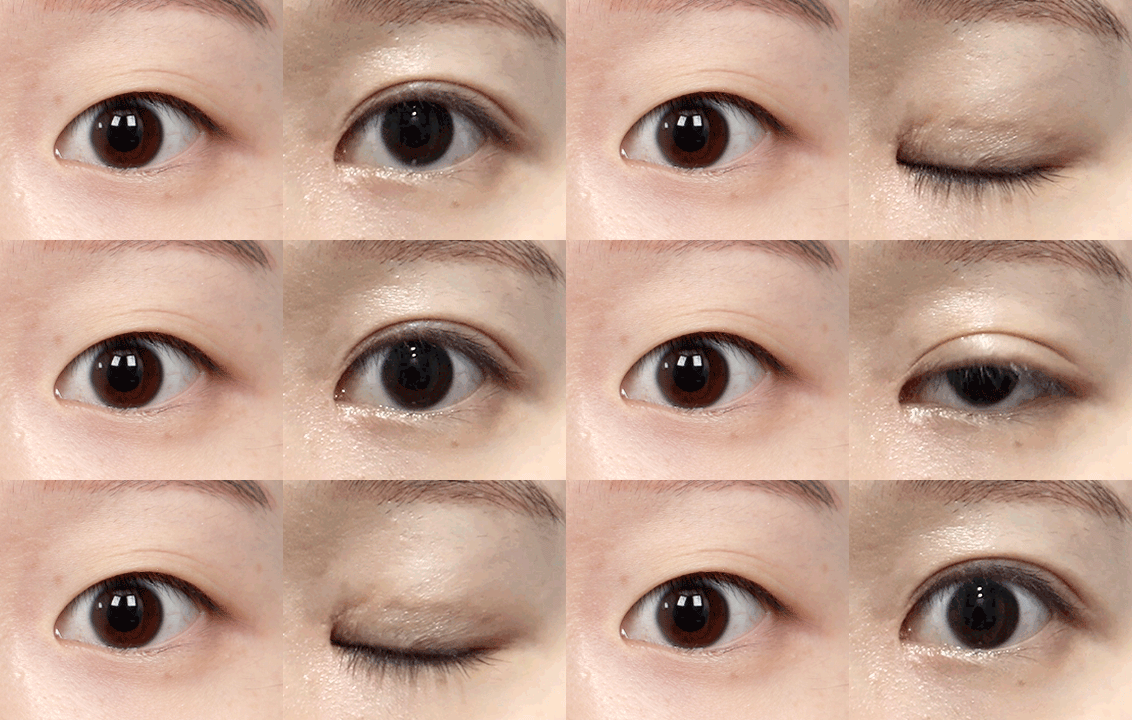
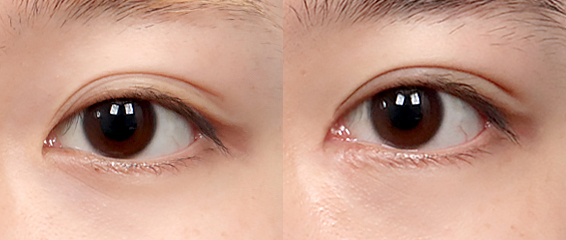
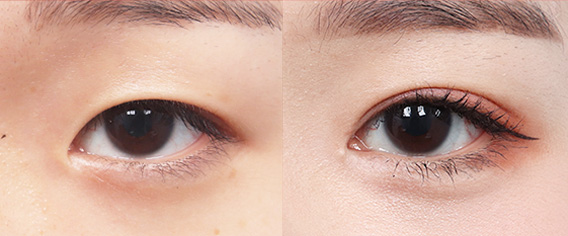
Non-incisional Double Eyelid (1 month)

A surgical method combining only the advantages of natural adhesion and non-incisional techniques,
suitable for those with thin eyelid skin and no sagging.

The biggest drawback of traditional non-incisional methods is that they can come undone.
To compensate, the strongest point is secured with
5 to 7 consecutive knots, making it highly resistant to loosening.
With no incision scar and fast recovery,
it delivers a natural-looking result.

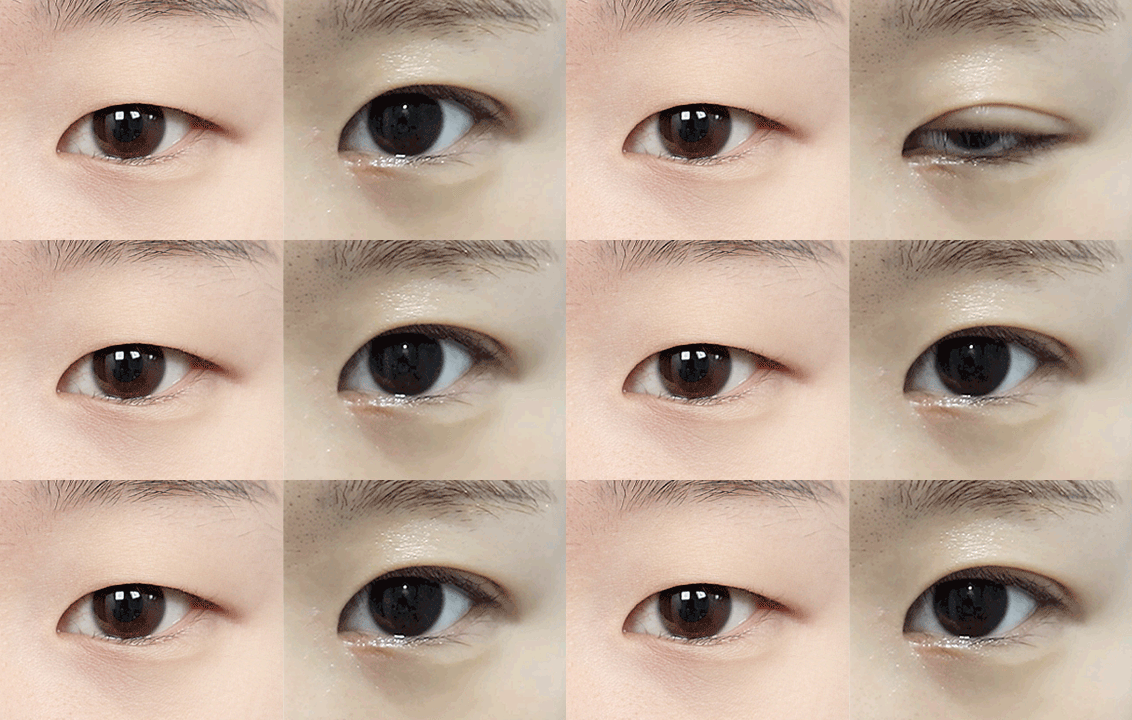
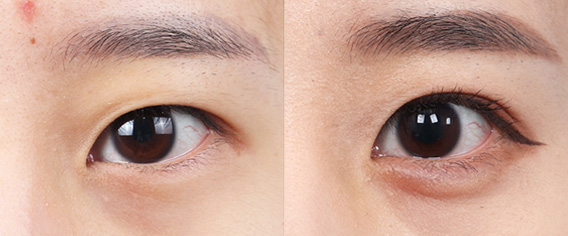
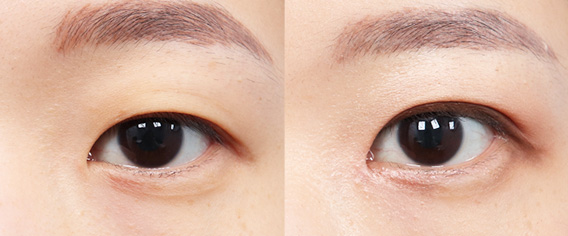
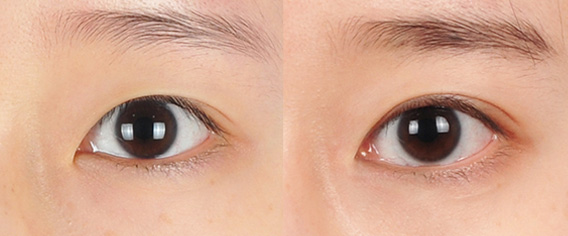
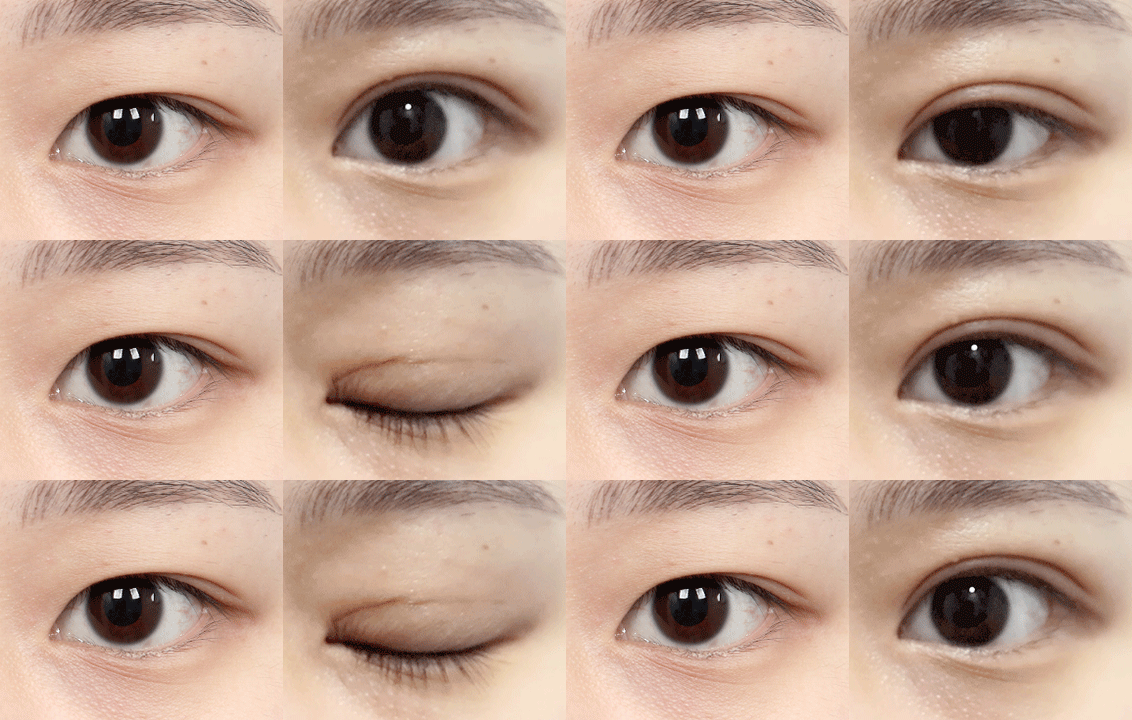
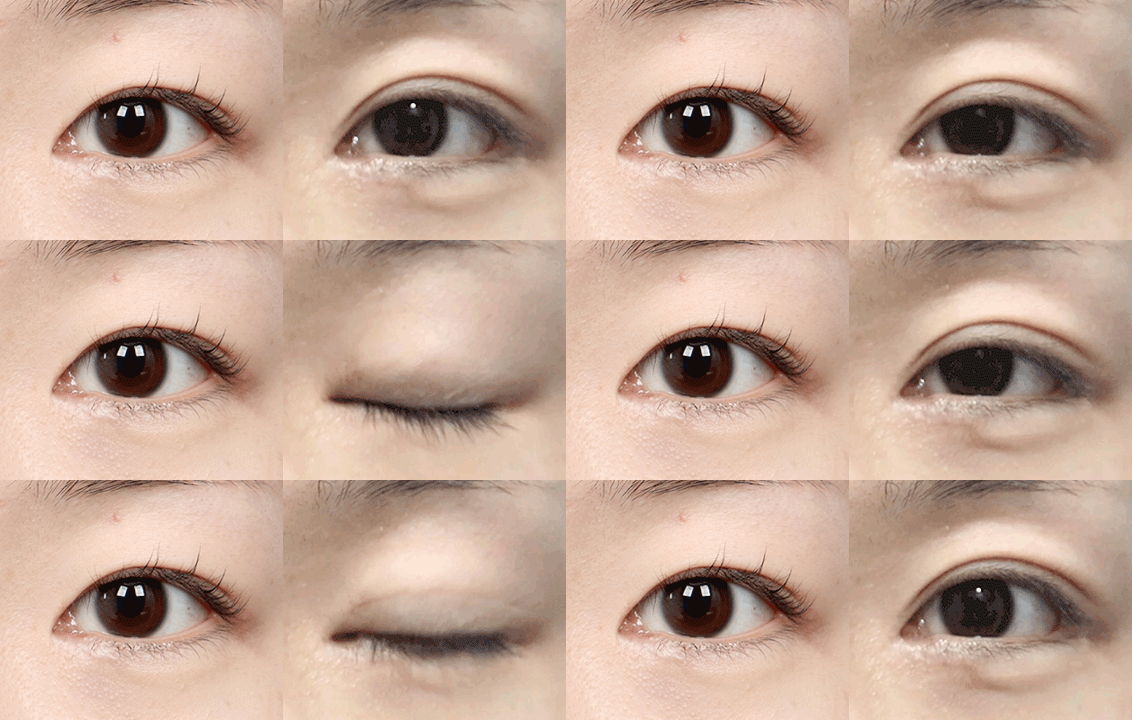
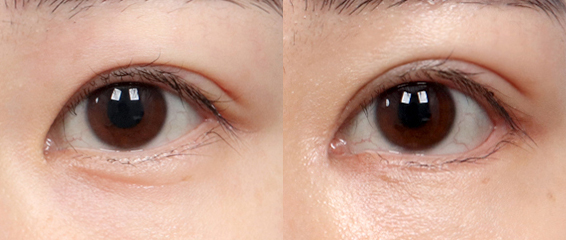
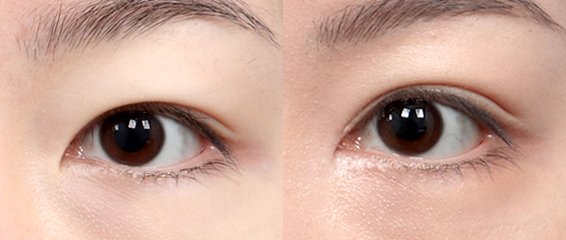
  • Non-incisional Ptosis Correction+Medial Epicanthoplasty+Upper Epicanthoplasty (4 months)

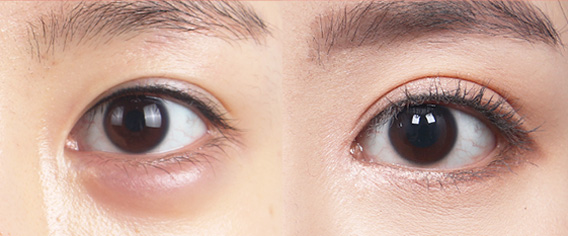
  • Non-incisional Ptosis Correction+Upper Epicanthoplasty (4 months)

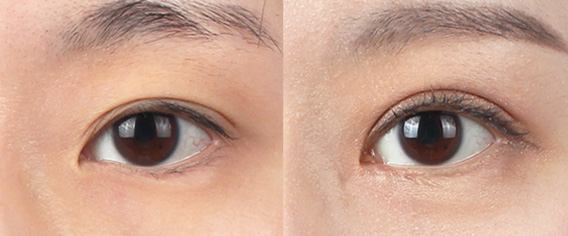
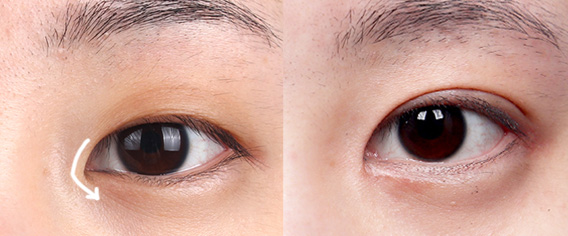
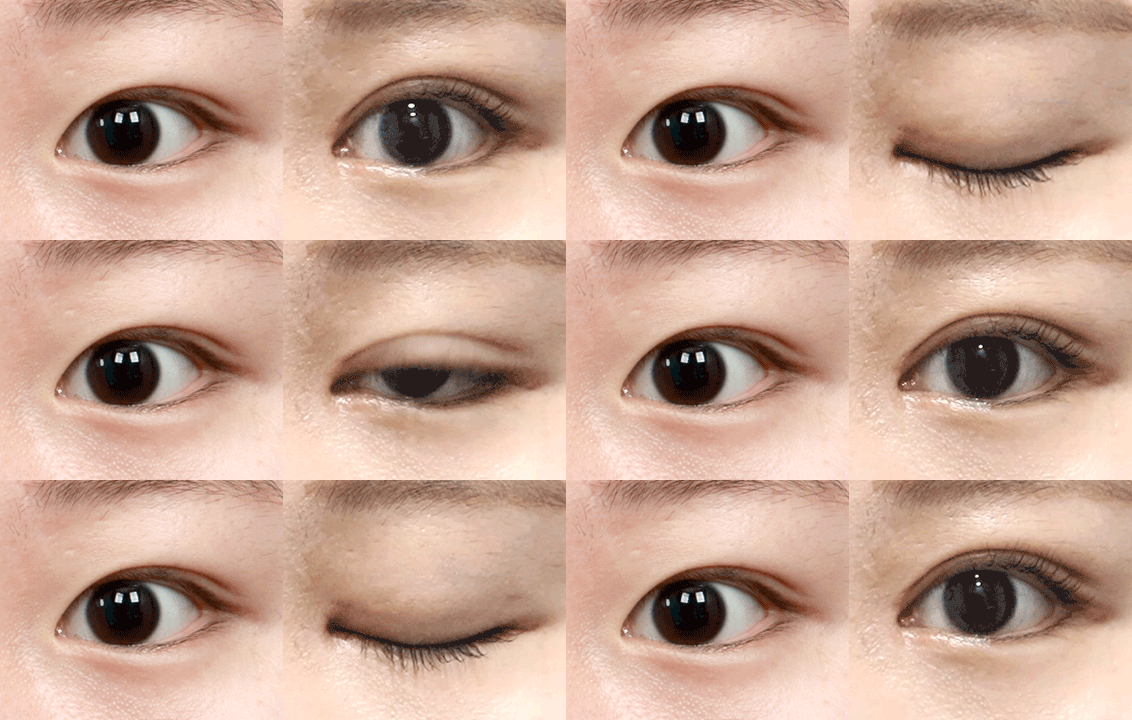
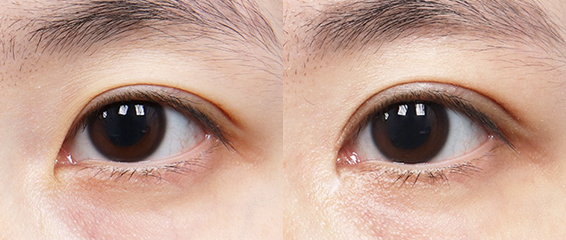
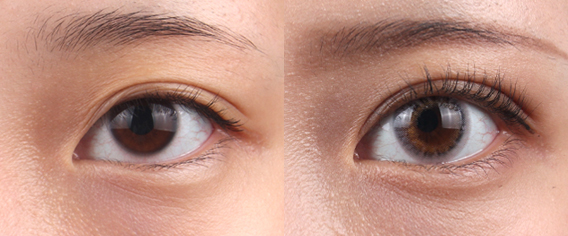
  • Non-incisional Ptosis Correction (Revision)+Lateral Canthoplasty+Lower Eyelid Surgery (5 years 5 months)

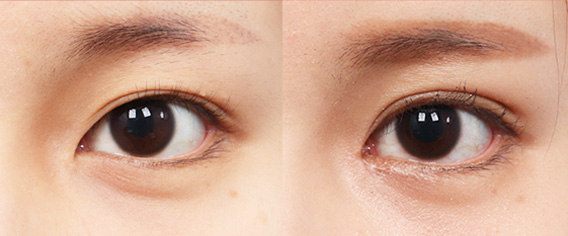
  • Non-incisional Ptosis Correction+Upper Epicanthoplasty(3 months)

Natural Adhesion Non-incisional Double Eyelid
Candidates

  • Thin eyelid skin
    with no
    sagging
  • Wanting a natural
    crease line like
    a natural double eyelid
  • Wanting fast recovery
    without stitch
    removal
  • Minimal fat
    on the
    eyelid skin

Natural Adhesion Non-incisional Double Eyelid
Surgical Technique

Before Surgery

<Problem Analysis>
Thin eyelid skin
with no sagging, monolid eyes

STEP01

Design the height and shape
of the double eyelid crease through consultation

STEP02

Create micro-holes
along the designed line

STEP03

5~7 consecutive knots to
induce natural adhesion
between skin and muscle

After Surgery

A single, naturally defined eyelid crease

Types of Double Eyelid Creases

What kind of eyes do you want?

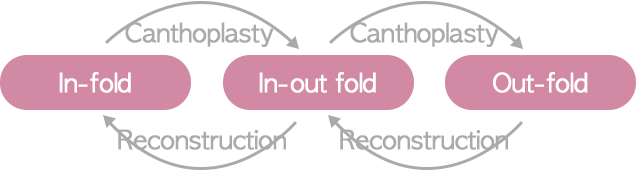
  • In Fold In Fold
    The crease line is not visible at the inner corner. Most East Asians have this type of double eyelid.
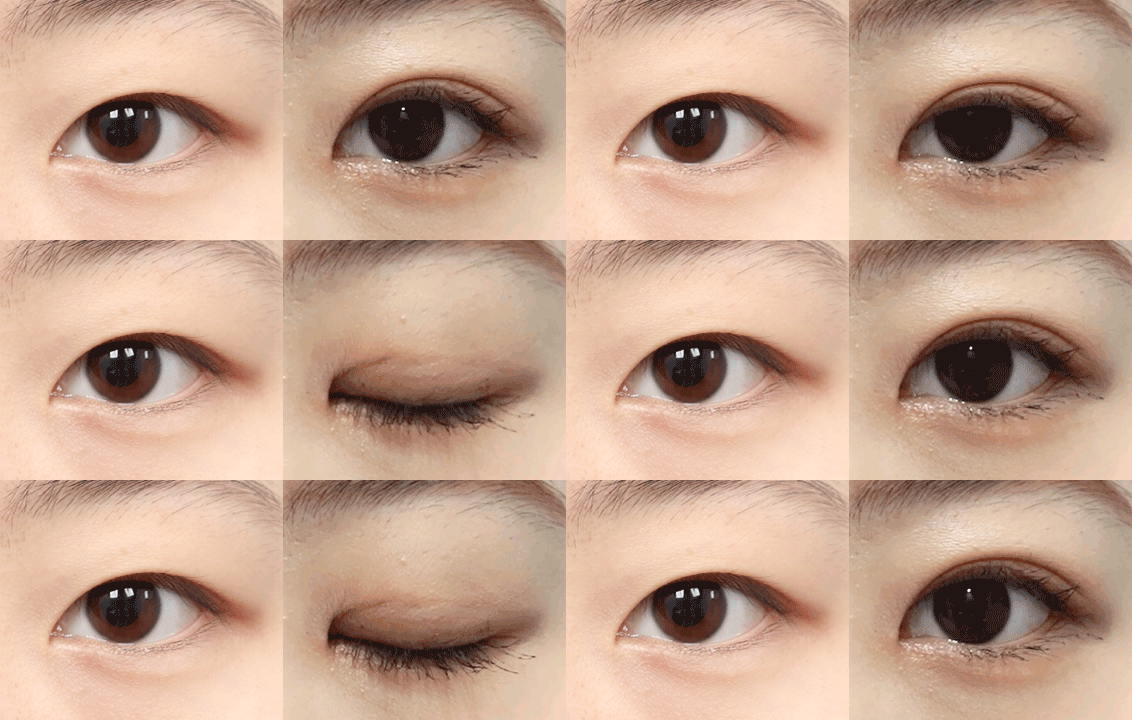
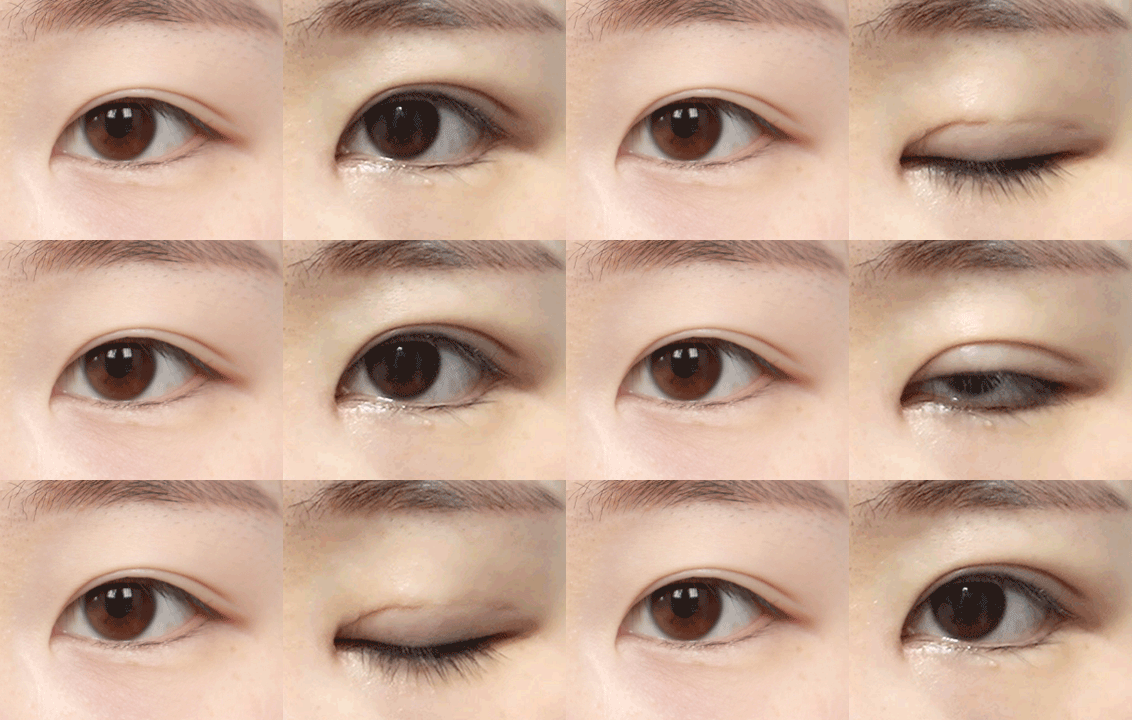
    For people seeking a subtle change, including men who prefer a discreet inner eyelid crease.

  • In-out fold In-Out Fold
    The crease connects with the inner corner
    and is visible on the outside.
    This is an intermediate line between
    In Fold and Out Fold.

    A popular choice for a natural-looking crease and a more open appearance.

  • Semi-out fold Semi-Out Fold
    The crease starting point is higher
    than In-Out Fold but
    relatively lower than
    Out Fold.

    A crease that combines a natural appearance with more noticeable definition.

  • Out-fold Out Fold
    The double eyelid crease does not
    touch the inner corner
    and appears higher
    and more visible.

    For people who prefer a more defined crease and an open-looking eye shape.

“Is double eyelid surgery alone enough to create the desired crease?”
The key factors determining the double eyelid crease are:
Double eyelid surgery (crease height) 40%,
Epicanthoplasty (epicanthal fold presence) 60%.
The epicanthal fold is the key!
The Relationship Between Double Eyelids and Inner Corner Epicanthal Fold
Successful double eyelid surgery doesn't end with simply fixing the crease line.
The shape of the crease is determined by the presence and shape of the epicanthal fold at the inner corner.

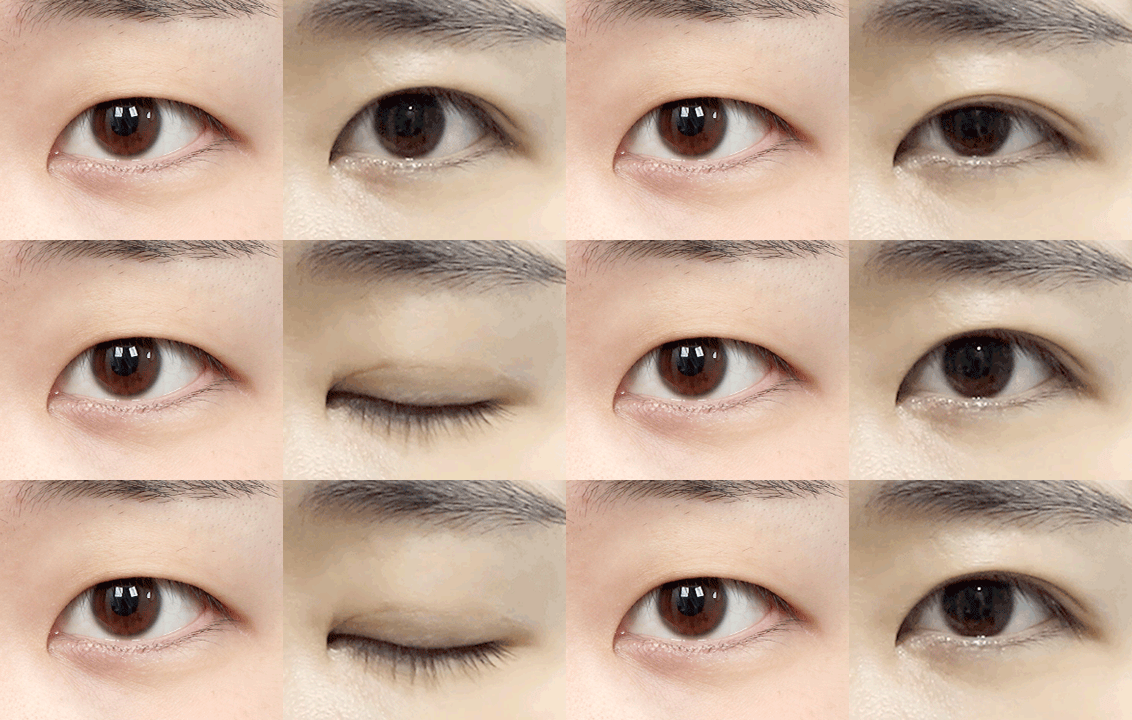
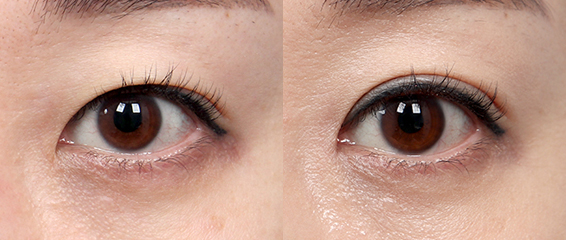
Incisional Ptosis Correction + Medial Epicanthoplasty + Upper Epicanthoplasty (7 months)

  1. No crease / In Fold
  2. Medial / Upper epicanthoplasty
    (epicanthal fold removal)
  3. In-Out Fold / In Fold

If double eyelid surgery is performed without removing the epicanthal fold,
the crease will not be visible, making it difficult to create
an In-Out Fold or Out Fold double eyelid.
In this case, the epicanthal fold is removed through medial and upper epicanthoplasty
to reveal the crease starting point at the inner corner.

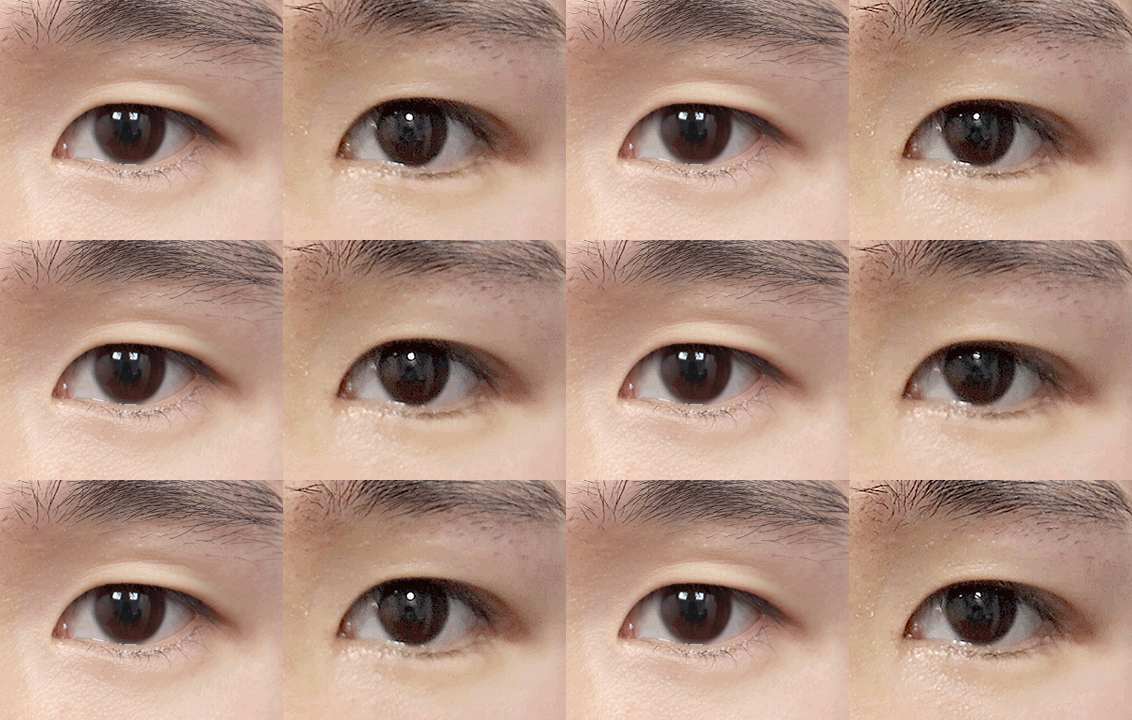
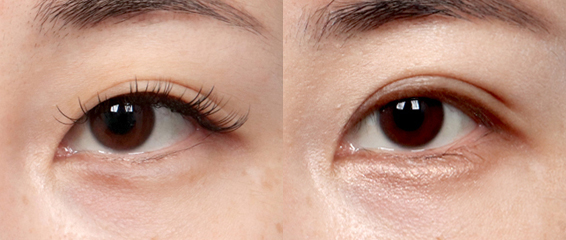
Incisional Ptosis Correction (Revision)+Medial Epicanthoplasty Reversal (1 month)

  1. Out-fold
  2. Medial Epicanthoplasty Reversal
    (lacrimal lake adjustment)
  3. In-Out Fold / In Fold

Out Fold double eyelids may feature excessive lacrimal lake exposure
or a narrow intercanthal distance.
In this case, medial epicanthoplasty restoration surgery can reduce
the degree of lacrimal lake exposure while correcting to In Fold or In-Out Fold.

For an ideal double eyelid crease,
depending on the presence and shape of the inner corner epicanthal fold,
medial epicanthoplasty, upper epicanthoplasty, epicanthoplasty reconstruction, axis rotation and other surgical methods must be performed in combination
.

In Fold, In-Out Fold, Out Fold

In Fold

In Fold

” A natural, subtle change “

The In Fold double eyelid is the most commonly seen type among East Asians
due to the anatomical structure of the eye and surrounding area.
The crease starts from inside the eyelid and gradually widens for a natural line.

WHO?
For people seeking a subtle change, including men who prefer a discreet inner eyelid crease

In-out fold

In-Out Fold

” Natural yet refreshingly open eyes “

The In-Out Fold double eyelid is highly preferred as it combines the natural look of the In Fold
with the refreshingly open eyes of the Out Fold.

If the eyes are sunken or the epicanthal fold is severe, creating an In-Out Fold double eyelid is difficult,
so orbital fat grafting, medial epicanthoplasty, and upper epicanthoplasty are often performed.

WHO?
Suitable for those who want a natural look with a moderately visible crease

Out-fold

Out Fold

” Glamorous and vivid eyes “

The Out Fold double eyelid requires a higher crease line,
so it suits those who naturally have large eyes and mild epicanthal folds.

If the epicanthal fold is severe, creating this crease is difficult, so combining medial and upper
epicanthoplasty can produce a more natural result.

However, excessive medial and upper epicanthoplasty for an Out Fold double eyelid
may cause scarring or unnatural lines, so the intercanthal distance
and degree of lacrimal lake exposure should be evaluated before surgery.

WHO?
Suitable when there is no epicanthal fold, minimal lacrimal lake exposure, and appropriate intercanthal distance

Natural Adhesion Non-incisional Double Eyelid

Select photos with a Click badge to read the full case on our blog.
01 In Fold
Case 5
매몰쌍꺼풀+뒤트임+밑트임(1년1개월)
Before
After
Assessment

An epicanthal fold at the inner corner pulled on the eyelid line, preventing a double eyelid from forming at the inner corner and drawing it inward.

Procedure Notes

As the patient did not want epicanthal-fold correction, the in-line double eyelid was preserved while enlarging the eyes for a more open eye contour.

Case 6
매몰쌍꺼풀+앞트임(5주)
Before
After
Assessment

The upper lid covered the eye, so the double eyelid was present but not visible, remaining hidden within the upper lid.

Procedure Notes

Because the patient wanted a natural, non-prominent double-eyelid line, subtle medial epicanthoplasty was performed so the inner-fold double eyelid would connect and become naturally visible.

* 환자의 사전동의를 받아 촬영한 사진입니다.
02In-out fold
Case 9
매몰쌍꺼풀+앞트임(7주)
Before
After
Assessment

Weak eyelid-opening strength and thick skin indicated incisional ptosis correction, but the patient preferred buried-suture, non-incisional double-eyelid surgery.

Procedure Notes

Although an incisional approach was more suitable, the patient requested a non-incisional approach; therefore seven consecutive secure knots were used to create a durable in-out double eyelid less prone to loosening.

Case 10
매몰쌍꺼풀(재)+윗트임(2개월)
Before
After
Assessment

After buried-suture double-eyelid surgery five years earlier, the line had doubled, and the patient wanted the current out-line corrected to an in-out line.

Procedure Notes

Upper epicanthoplasty elevated the 45-degree inner corner and neatly refined the doubled double eyelid into an in-out line.

Case 11
매몰쌍꺼풀+윗트임+뒤트임(재)+밑트임(재)(4개월)
Before
After
Assessment

The eyes were horizontally long without a double eyelid, and the patient wanted an in-out double eyelid.

Procedure Notes

Because the inner corner turned downward, upper epicanthoplasty was essential to create an in-out double eyelid; without it, only an in-line double eyelid would have been possible.

Case 12
매몰쌍꺼풀(재)(5개월)
Before
After
Assessment

Non-incisional ptosis correction ten months earlier had not produced the desired effect; for revision, a slightly higher line and more defined eye contour were requested.

Procedure Notes

Although a higher line was desired, the male patient did not want an overly conspicuous look; therefore a very thin but defined in-out double eyelid was created.

* 환자의 사전동의를 받아 촬영한 사진입니다.
03Out-fold
Case 9
(전체 재수술)매몰쌍꺼풀
윗트임+뒤트임+밑트임(3개월)
Before
After
Assessment

Double-eyelid surgery in an in-out line was performed two years earlier, but the patient wanted revision to a higher out-line.

Procedure Notes

Raising only the line could look unnatural with the current eye contour, so lateral and lower canthoplasty enlarged the eyes, and upper epicanthoplasty elevated the 45-degree inner corner so the double eyelid could settle into an out-line contour.

Case 10
매몰쌍꺼풀(2개월)
Before
After
Assessment

The patient had congenital multiple, loose-appearing double-eyelid creases.

Procedure Notes

Because eye size and eyelid-opening strength were adequate, without other procedures buried-suture double-eyelid surgery alone created a defined out-line.

Case 11
매몰쌍꺼풀(재)+윗트임(3개월)
Before
After
Assessment

Previous buried-suture double-eyelid surgery left a large gap between the inner corner and line, while the central line was low, creating an unnatural appearance.

Procedure Notes

Upper epicanthoplasty elevated the 45-degree inner corner, naturally connecting the double-eyelid starting point and correcting it into a defined parabolic out-line.

Case 12
매몰쌍꺼풀(재)+앞트임+윗트임(8개월)
Before
After
Assessment

Buried-suture double-eyelid surgery performed three years earlier had loosened. The patient wanted to improve the short eye contour naturally.

Procedure Notes

As larger eyes were desired while preserving a natural result, subtle medial and upper epicanthoplasty were followed by buried-suture double-eyelid surgery to create a defined out-line.

* 환자의 사전동의를 받아 촬영한 사진입니다.
Natural Adhesion Non-incisional Double Eyelid
Surgical Technique
Q. How does this differ from conventional natural-adhesion or non-incisional methods?
With traditional methods, fewer or weaker knots can cause
loosening over time.
SISUN Plastic Surgery has improved on this by creating 5~7 firm, dense knots,
significantly reducing the chance of the crease loosening.

Q. Is stitch removal not necessary?
Biocompatible sutures do not require removal. The non-incisional approach also involves less swelling and a shorter recovery period.

Q. Are there specific eye types suited for the non-incisional method?
Thin skin tissue with no sagging is most suitable for the non-incisional method,
but since patients cannot accurately determine this on their own,
it is best to decide the surgical method through consultation with the medical team.
When performing double eyelid surgery

Differences between Buried Suture and Incisional Methods

Category Buried Suture Incisional
Surgical Technique Creating micro-holes in the eyelid skin and tying knots with suture thread Incising the eyelid skin, removing unnecessary muscle or fat tissue, and locating and securing the eye-opening muscle
Applicable Procedures
Thin eyelid skin
Elastic skin without sagging
- Thick eyelid skin
Severe skin sagging
- Excessive eyelid fat
Surgery Duration 20 min 40 min
Stitch Removal None After 7 days
Recovery Period 5~7 days 7~14 days
Advantages
- Less swelling and faster recovery since no incision is made
- No stitch removal
- Nearly invisible scarring
- Semi-permanent results with a single surgery
More diverse double eyelid crease designs possible compared to buried suture
Disadvantages
May loosen if knots are not secure
Since incision and suturing are involved, recovery takes longer than buried suture
- Some incision scarring may remain
Incisional Double Eyelid Surgery Learn More

모델스토리

  • 앞트임 후 사나워진 인상, 앞트임복원+뒤트임 후 변화는? [시선성형외과 리얼셀피]
    #앞트임복원# 뒤트임
  • [리얼셀피]앞트임복원, 듀얼트임 회복기간은?
    #앞트임복원# 듀얼트임# 뒤밑트임# 트임재수술
  • [shorts] 과도한 앞트임 부작용!! 앞트임복원으로 이렇게?!
    #shorts#수술전후#앞트임복원#앞트임부작용
  • [성형로그] 꼬막눈개선, 풀트임 결과는?
    #리얼모델#모델#풀트임#반달눈성형
  • [리얼셀피]뒤밑트임 리얼셀피
    #뒤밑트임#듀얼트임#리얼셀피
  • [리얼셀피]듀얼트임 리얼셀피
    #듀얼트임#뒤트임#밑트임#자연유착
  • [리얼셀피]반달눈성형,풀트임 리얼셀피
    #앞트임#윗트임#뒤트임#밑트임#반달눈성형.리얼셀피
  • [리얼셀피] 듀얼트임 리얼셀피
    #듀얼트임#뒤트임#밑트임#리얼셀피
  • [성형로그] 뒤트임,밑트임,눈썹거상
    #리얼모델#프로필촬영#모델#듀얼트임
더보기

시선TV

  • 내 눈 유형도 모르고 앞트임부터 하면 안 된다! (저도 알고 싶지 않았어요...) | 축돌리기 VS 갈고리트임
    #앞트임# 갈고리트임# 축돌리기# 윗트임# 앞트임복원
  • 극한눈성형 부작용 해결해주세요
    #성형캐비닛#극한눈성형#눈성형부작용#소세지쌍꺼풀#앞트임부작용#뒤트임부작용)
  • [성형캐비닛] 앞트임복원 후 눈 작아질까 고민이라면 0mm복원(미세복원)이 정답!
    #성형캐비닛#앞트임복원#미세복원#0mm복원#0mm트임
  • [성형캐비닛] 뒤트임, 밑트임 다시 붙는 이유는? 붙지 않는 듀얼트임 핵심!
    #성형캐비닛#뒤트임#밑트임#듀얼트임
  • [2분정리] 앞트임복원 실제 수술영상 3D 시뮬레이션 (실제 사례)
    #2분정리#앞트임복원#앞트임재건#앞트임부작용
  • [2분정리] 비대칭 쌍꺼풀의 원인! 개선 방법은?
    #2분정리#짝눈교정#비대칭쌍꺼풀#짝짝이눈
  • [2분 정리] 두줄따기 수술방법과 다양한 사례 총정리!
    #2분정리#두줄따기#소세지눈#소세지쌍꺼풀
  • [2분 정리] 소세지쌍꺼풀이 되는 이유 2가지
    #2분정리#소세지쌍꺼풀#소세지눈#두줄따기
  • [성형캐비닛] 가장 많이 하는 눈재수술 3가지!, 총정리 영상! (소세지눈,비대칭,과트임)
    #성형캐비닛#눈재수술#소세지눈#비대칭#과트임
  • [2분 정리] 앞트임, 윗트임 수술 후 부작용이 생겼다면?(누호과다노출,결막노출,갈고리모양)
    #2분정리#앞트임부작용#앞트임복원#앞트임재건
  • [2분 정리] 갈고리 눈 앞머리 어떤 수술 해야 할까요?(갈고리트임,앞트임복원)
    #2분정리#앞트임#윗트임#갈고리트임#앞트임복원
  • [2분 정리] 쌍꺼풀 라인을 바꾸기 위해 윗트임을 해야한다?!
    #2분정리#윗트임#몽고주름제거#쌍꺼풀라인
  • [2분 정리] 앞트임하면 눈이 길어진다? 숨겨진 진실
    #2분정리# 앞트임#갈고리트임#몽고주름제거
  • [2분 정리] 윗트임 하면 미간이 좁아지나요? |시선성형외과
    #2분정리#앞트임#윗트임#앞윗트임#갈고리트임
  • [2분 정리] 앞트임과 윗트임 어떻게 다른가요? (차이점과 공통점) |시선성형외과
    #2분정리#앞트임#윗트임#앞윗트임#갈고리트임
더보기

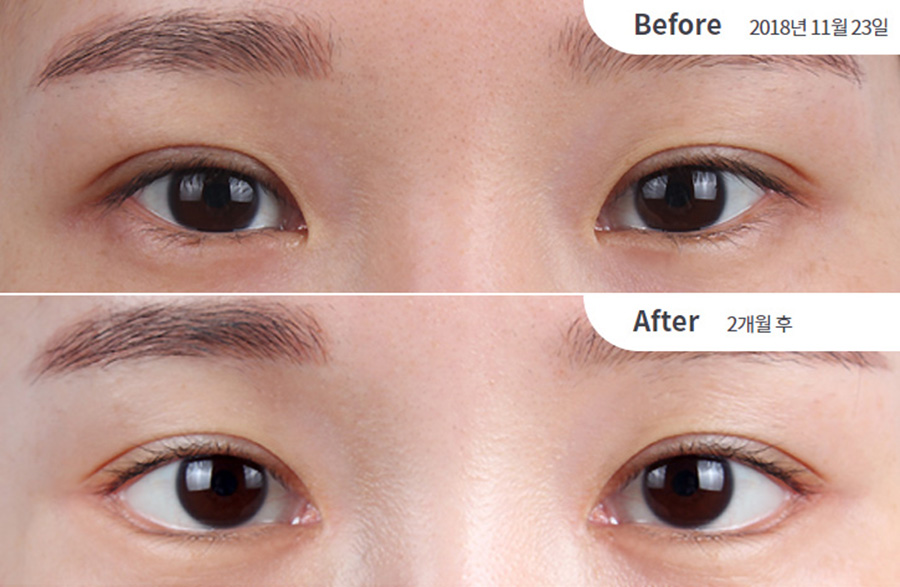
Before & After

수술경과
2026.10.22

#SELSTAGRAM
#SISUNLISM
#EYE

Natural Adhesion Non-incisional Double Eyelid SISUN TV

Double Eyelid & Ptosis Correction Doctor's Note